A PROPRIETARY RESTAURANT SYSTEM FOR SCALE AND LONGEVITY.
TRX® FOR FOUNDERS AND OPERATORS
For independent founders with a concept that works. The system exists to make it work anywhere else.
Explore
.png)
For independent founders with a concept that works. The system exists to make it work anywhere else.
Brand Architecture
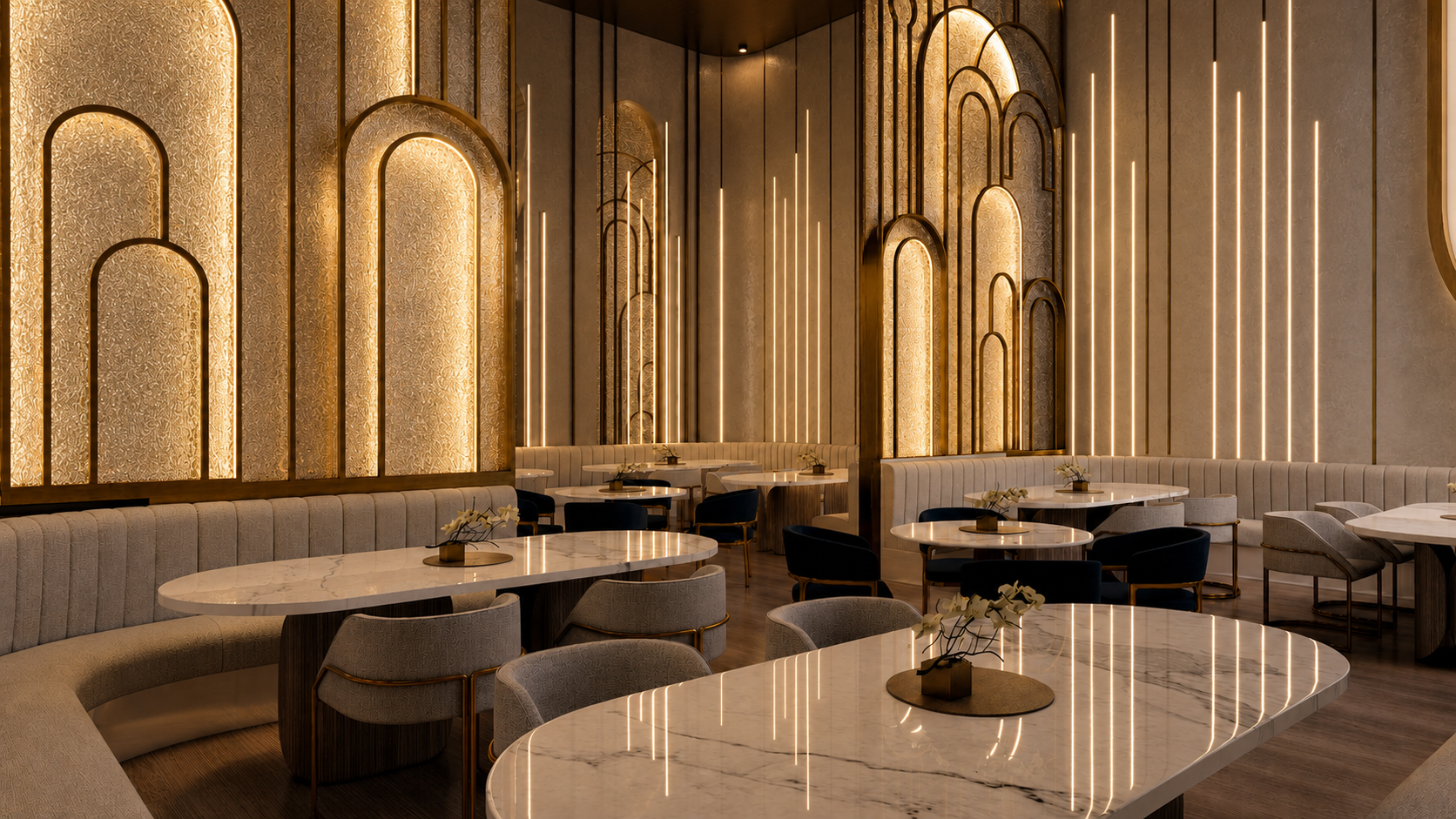
Clarifies and codifies the concept's identity, voice, and positioning logic so the brand holds regardless of who is running the location.
Spatial Experience
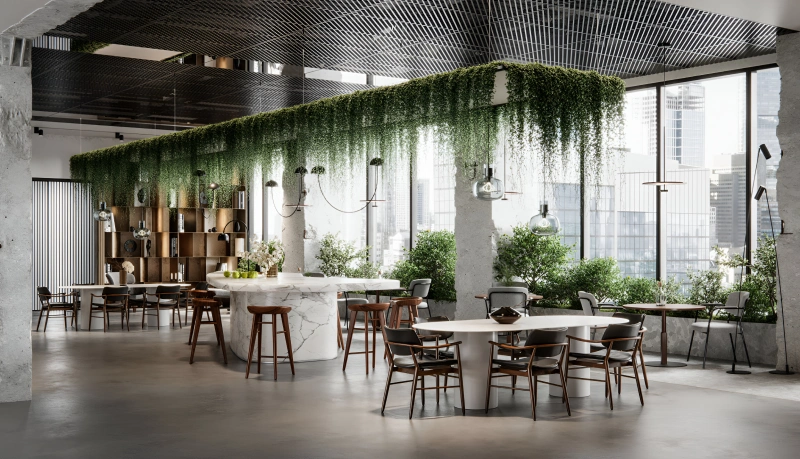
Translates the atmosphere and signature moments of the original location into spatial standards that can be taught, measured, and reproduced.
Menu Psychology
Structures the menu as a commercial and experiential asset, with naming logic, pricing architecture, and supply constraints built in before expansion begins.
Growth Engine
Builds the launch, local marketing, and franchisee activation infrastructure the concept needs before it opens its next location.
When every touchpoint reinforces the same story, return visits become predictable. Guests who know what to expect come back. Guests who trust the brand refer others.
When brand, space, menu, and marketing are built as a single system from the start, expansion becomes replication. The second location repeats the first with precision instead of reinventing it.
A concept governed by one coherent framework stops losing value at every handoff. The designer, the chef, the marketing team, and the operator work from the same governing logic.
Most restaurant concepts that attempt to scale don't fail because the concept was wrong. They fail because the concept was never structured to survive the founder stepping back.
A single governing operating system. Brand, space, and operations lock together to multiply value and accelerate decision-making.
TRX® audits the existing concept across brand, space, menu, marketing, and training to map where the experience lives and where the gaps are.
The four system components are built and integrated simultaneously so they govern each other from the start. No component is designed in isolation.
Most clients keep TRX® as the governing layer after the initial build. The system requires ongoing calibration as the concept grows.
What changes when a concept is governed by a single replication framework.
Every decision about the second location runs through an existing framework. The questions that slowed the first build don't repeat.
Every location operates within the same governing standard. The guest experience is no longer dependent on who managed the opening.
The concept's core is locked before vendors, architects, or marketing agencies touch it. Retroactive alignment is expensive. This avoids it.
A restaurant structured for replication is ready for the next location. It is also ready for a franchise conversation, an investor conversation, or a licensing discussion.
Most restaurants don't fail from lack of passion. They fail from fragmented decisions made too late.

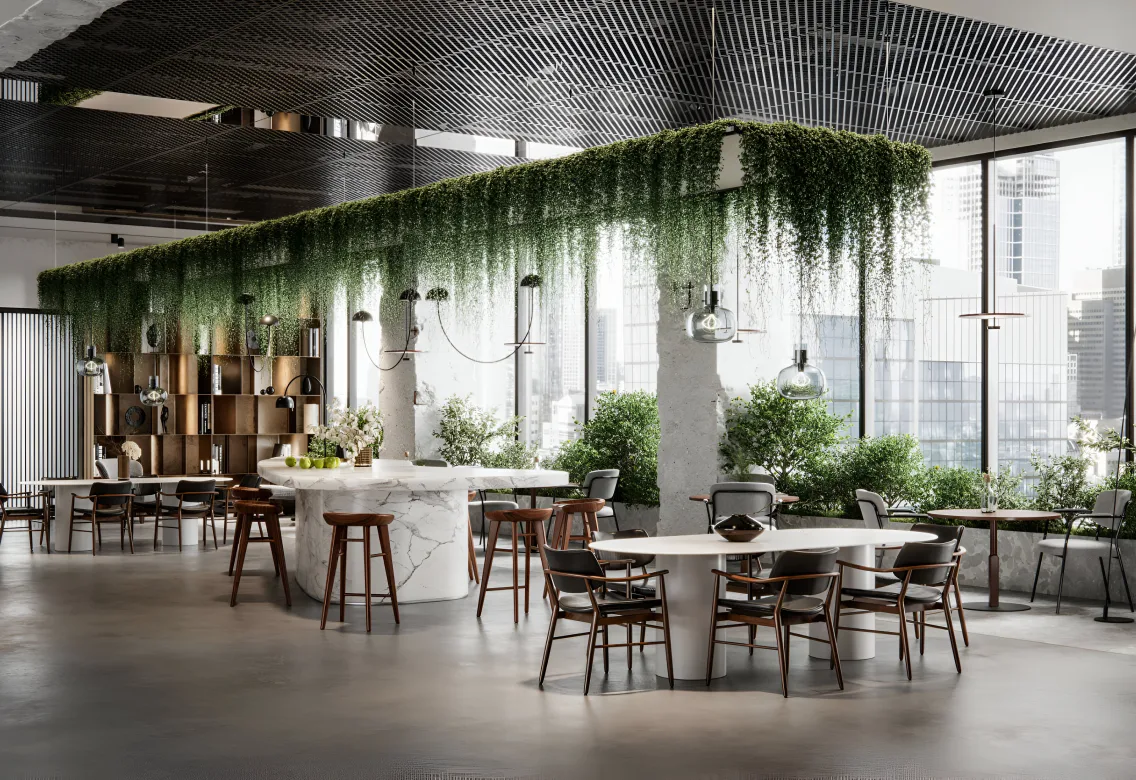
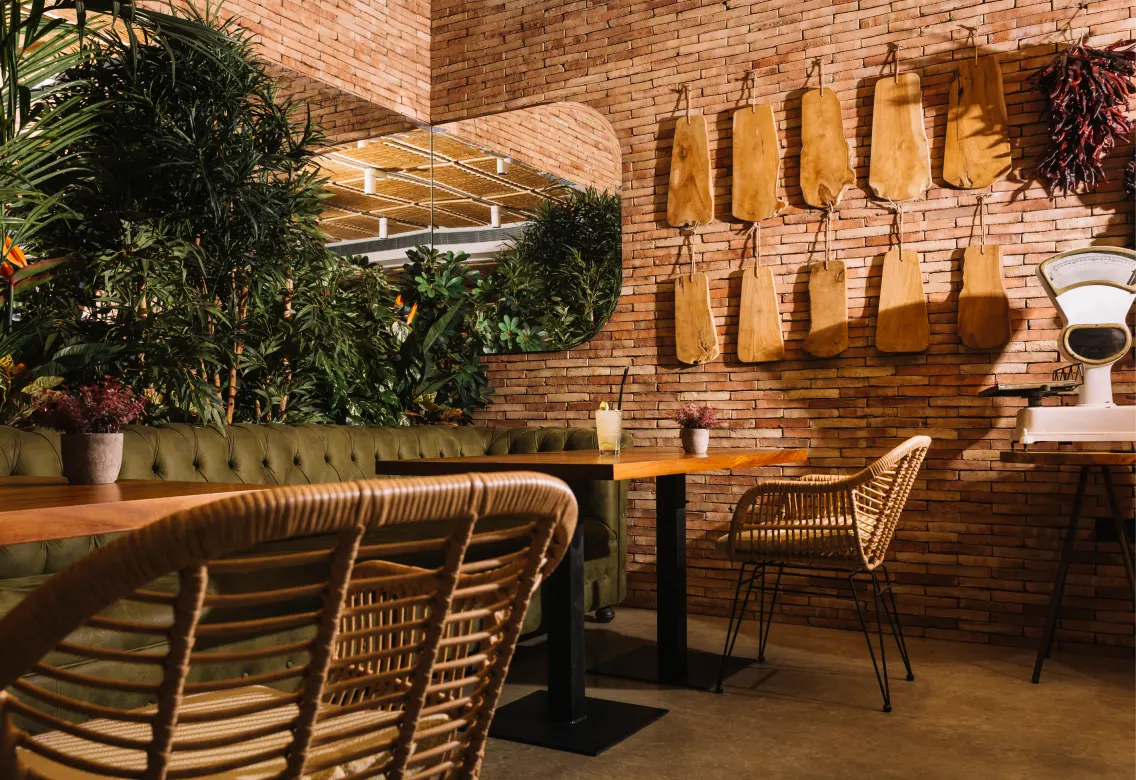
Independent restaurant founders preparing for a second location, a franchise path, or an investor conversation.
Existing multi-unit groups where inconsistency across locations is eroding the value the original concept built.
Restaurant owners who have outgrown the informal systems that ran the first location and know the next phase requires something more deliberate.